
"annual output reaches"
300 article(s) found

Ethiopian boutique coffee Ethiopia boutique coffee flavor Ethiopian boutique coffee
Coffee is Ethiopia's most important export cash crop and the main source of Ethiopia's foreign exchange earnings. Ethiopia's coffee exports account for about 3% of the world market, making it the eighth largest coffee exporter in the world. Coffee exports increased steadily from 58000 tons in 1990-91 to 110000 tons in 1995-96 and remained at this level in the following years. 2001-2002

Ethiopian fine coffee with intense nutty aromas Taste Introduction
Coffee is Ethiopia's most important export cash crop and the main source of foreign exchange earnings. Ethiopia's coffee exports account for about 3% of the world market share, making it the eighth largest coffee exporter in the world. Coffee exports increased steadily from 58,000 tons in 1990-1991 to 110,000 tons in 1995 - 1996 and remained at that level for the next few years. 2001 - 2002

Ethiopian Limu Coffee introduces the Manor of Coffee producing area
Coffee is Ethiopia's most important export cash crop and the main source of Ethiopia's foreign exchange earnings. Ethiopia's coffee exports account for about 3% of the world market, making it the eighth largest coffee exporter in the world. Coffee exports increased steadily from 58000 tons in 1990 to 110000 tons in 1995-1996 and remained at this level in the following years. 2001-2002

Annual report on Nicaraguan Coffee 2017
Foreword Nicaragua's coffee production in 2016 / 2017 is estimated at a record 2.3 million bags, an increase of 7 per cent over the previous year. The rainy season is responsible for the increase in production, causing coffee trees to blossom earlier and begin to bear fruit. For 2017 / 2018 degrees, assuming good weather conditions, the forecast for the coffee sector will be very close to this year's production.
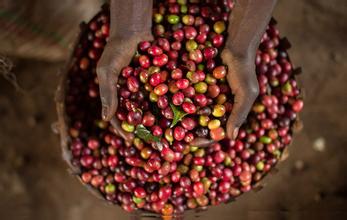
Boutique coffee beans Ethiopian coffee the latest coffee introduction unique flavor
Coffee is Ethiopia's most important export cash crop and the main source of Ethiopia's foreign exchange earnings. Ethiopia's coffee exports account for about 3% of the world market, making it the eighth largest coffee exporter in the world. Coffee exports increased steadily from 58000 tons in 1990 to 110000 tons in 1995-1996 and remained at this level in the following years. 2001-2002

The growing environment of coffee trees in Ethiopia introduces Ted Manor
Coffee is Ethiopia's most important export cash crop and the main source of Ethiopia's foreign exchange earnings. Ethiopia's coffee exports account for about 3% of the world market, making it the eighth largest coffee exporter in the world. Coffee exports increased steadily from 58000 tons in 1990 to 110000 tons in 1995-1996 and remained at this level in the following years. 2001-2002

Ethiopian coffee bean producing area of Ethiopian coffee bean flavor manor
Coffee is Ethiopia's most important export cash crop and the main source of Ethiopia's foreign exchange earnings. Ethiopia's coffee exports account for about 3% of the world market, making it the eighth largest coffee exporter in the world. Coffee exports increased steadily from 58000 tons in 1990 to 110000 tons in 1995-1996 and remained at this level in the following years. 2001-2002
China Coffee Farm Lujiang Coffee Farm in Yunnan
Lujiang Farm is located in the west of Yunnan Province, 24952515 north latitude and 98839888 east longitude. The altitude is 6801000 meters. Under the jurisdiction of Longyang District, Baoshan City, adjacent to Lujiang Town and Mangkuan Dai and Yi Township, 542km east to Kunming, capital of Yunnan Province, 120km west to Myanmar Banwa, highway through farm to Kunming, national secondary highway directly to Myitkyina of Myanmar, transportation is very convenient, air

Introduction to the flavor and taste of Ethiopian boutique coffee beans
Coffee is Ethiopia's most important export cash crop and the main source of Ethiopia's foreign exchange earnings. Ethiopia's coffee exports account for about 3% of the world market, making it the eighth largest coffee exporter in the world. Coffee exports increased steadily from 58000 tons in 1990 to 110000 tons in 1995-1996 and remained at this level in the following years. 2001-2002

The unique aroma of Ethiopian Sidama Coffee Estate Introduction Ted Estate
Coffee is Ethiopia's most important export cash crop and the main source of foreign exchange earnings. Ethiopia's coffee exports account for about 3% of the world market share, making it the eighth largest coffee exporter in the world. Coffee exports increased steadily from 58,000 tons in 1990-1991 to 110,000 tons in 1995 - 1996 and remained at that level for the next few years. 2001 - 2002

Introduction of Ethiopian Fine Coffee the taste characteristics of Ethiopian boutique coffee Ethiopia
Coffee is Ethiopia's most important export cash crop and the main source of Ethiopia's foreign exchange earnings. Ethiopia's coffee exports account for about 3% of the world market, making it the eighth largest coffee exporter in the world. Coffee exports increased steadily from 58000 tons in 1990-91 to 110000 tons in 1995-96 and remained at this level in the following years. 2001-2002

With the rapid development of coffee in China, there has been a qualitative breakthrough in the planting area and total output.
According to current market data, emerging countries represented by China, Brazil, Russia, India and South Africa currently consume 20% of the world's coffee, which will reach 35% by 2020. Domestic consumers have a growing demand for coffee. In recent years, the world coffee giants have seized the Chinese market, and domestic coffee companies have also begun to build local coffee brands.

Ethiopia Xiachisuo coffee flavor description processing method grinding scale varieties taste introduction
Ethiopia Xiachisuo producing area coffee flavor description processing method grinding scale variety taste introduction 1, Limu coffee grows between 1400 meters and 2000 meters above sea level. washed coffee. Excellent quality, with intense nutty aromas, moderate acidity and wine intensity. Annual production of 29,000 tons. Gima coffee grows between 1400 and 1800 meters above sea level. Sunburn coffee.

The wine-like sour Ethiopian coffee Yega Snow Coffee Gediyo Eastern Highland Mountains
Coffee is Ethiopia's most important export cash crop and the main source of Ethiopia's foreign exchange earnings. Ethiopia's coffee exports account for about 3% of the world market, making it the eighth largest coffee exporter in the world. Coffee exports increased steadily from 58000 tons in 1990 to 110000 tons in 1995-1996 and remained at this level in the following years. 2001-2002

Unique aromatic Ethiopian Coffee Flavor Taste introduction to Fine Coffee in Manor production area
Coffee is Ethiopia's most important export cash crop and the main source of Ethiopia's foreign exchange earnings. Ethiopia's coffee exports account for about 3% of the world market, making it the eighth largest coffee exporter in the world. Coffee exports increased steadily from 58000 tons in 1990 to 110000 tons in 1995-1996 and remained at this level in the following years. 2001-2002

A brief introduction to the unique fragrant Ted Manor in the coffee producing area of Sidamo, Ethiopia
Ethiopian people are addicted to coffee. In 2003, domestic consumption accounted for 42.3% of the total output, with a per capita consumption of 3 kg. But more than half of the coffee produced each year is used for export to earn foreign exchange. The main exporters include the United States, Italy, the United Kingdom, Sweden, Norway, Greece, France, Belgium, Germany and Australia. Coffee is Ethiopia's most important export cash crop, and it is Ethiopia's foreign exchange income.

Ethiopian Coffee Flavor and Taste introduction of fine coffee beans in Ethiopian coffee producing areas
Coffee is Ethiopia's most important export cash crop and the main source of Ethiopia's foreign exchange earnings. Ethiopia's coffee exports account for about 3% of the world market, making it the eighth largest coffee exporter in the world. Coffee exports increased steadily from 58000 tons in 1990 to 110000 tons in 1995-1996 and remained at this level in the following years. 2001-2002

Notes on coffee hand brewing in Kenya Coffee export annual output and sales volume introduction
Notes on coffee brewing in Kenya annual output and sales volume of coffee exports this stage requires a total of 6 concentric circles. After the smallest flow of water is injected into the center point by hand for 2 seconds, the concentric circle is around the first circle, and then each concentric circle is enlarged 1 turn accordingly. To the fifth concentric circle, about 12.5px away from the wall of the filter cup, all powder layers will be wet to water and washed away. Then, again.
The Green Dream of Yunnan Coffee
In 2012, Yunnan is expected to produce 60, 000 tons of coffee, accounting for 98% of the country's coffee production and 7/1000 of the world's coffee production. Pu'er City, as an important producing area of small grain coffee in Yunnan, by the end of 2011, the planting area of coffee is 439000 mu, the output is 28000 tons, the output value is 850 million yuan, the planting area and output account for more than half of the country respectively. This year, new plants will be planted in Pu'er City.